

On this page
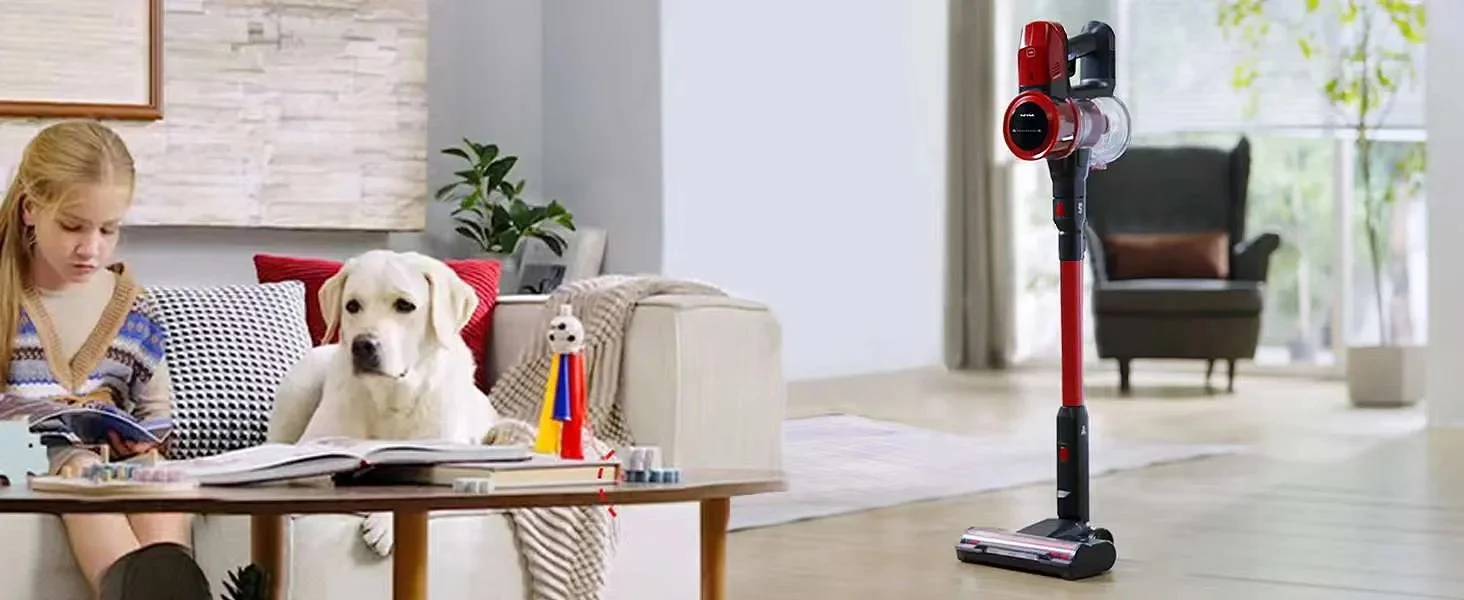

Exclusively available at keero
$519.80 $259.90 Learn more about our top pick »
Review
The keero P20 Cordless Vacuum was the biggest surprise of this comparison. It doesn’t have the very highest suction on the list, a few premium models like the Dyson V16 and the Tineco A90S are stronger on paper. But no other model combines this much everyday cleaning performance with a price this low.
Its 600 W brushless motor delivers up to 230 AW (50 kPa) of suction, designed to tackle everyday dirt, crumbs, and pet hair across carpets, hard floors, and upholstery. You get 3+1 modes, including an Auto Mode that adjusts suction on its own, and the LED smart brush lights up hidden dust so nothing gets missed.
With up to 75 minutes of runtime and a removable battery, every room gets done on one charge, and a spare battery can be swapped in for bigger homes. The 4-stage HEPA filtration traps 99.97% of fine dust and pet dander, and at just 52 dB it’s quiet enough to vacuum in the evening.
It’s also easy to live with: it stands on its own between tasks, weighs a manufacturer-stated 3.7 lbs, and the 0.83 qt dust cup means fewer trips to the trash. In the box you get a 2-in-1 nozzle, a sofa brush, a flexible hose and a wall mount that doubles as a charging station.
At just $259.90, the P20 costs roughly a quarter of the Dyson V16’s $979.99 price tag. That’s over $700 in savings compared to the premium model.
Bottom line: the P20 delivers the best overall value in our comparison. You get the features that matter in daily use (strong suction with Auto Mode, a full 75-minute runtime, HEPA filtration and a complete set of attachments) for a fraction of what the premium brands charge. No other model we compared delivers this much vacuum per dollar, which makes it the best deal we found.
Our verdict: the keero P20 is our top pick for value. If you want a powerful cordless vacuum for the whole home without paying the premium-brand surcharge, this is the best deal in our comparison.
Pros
- ✓Up to 230 AW (50 kPa) suction with Auto Mode
- ✓Up to 75 minutes runtime
- ✓Removable, swappable battery
- ✓4-stage HEPA traps 99.97% of fine dust
- ✓Quiet at just 52 dB
- ✓LED smart brush reveals hidden dust
- ✓Lots of useful attachments included
- ✓Best value for money in this comparison
Cons
- ✕Currently only available online
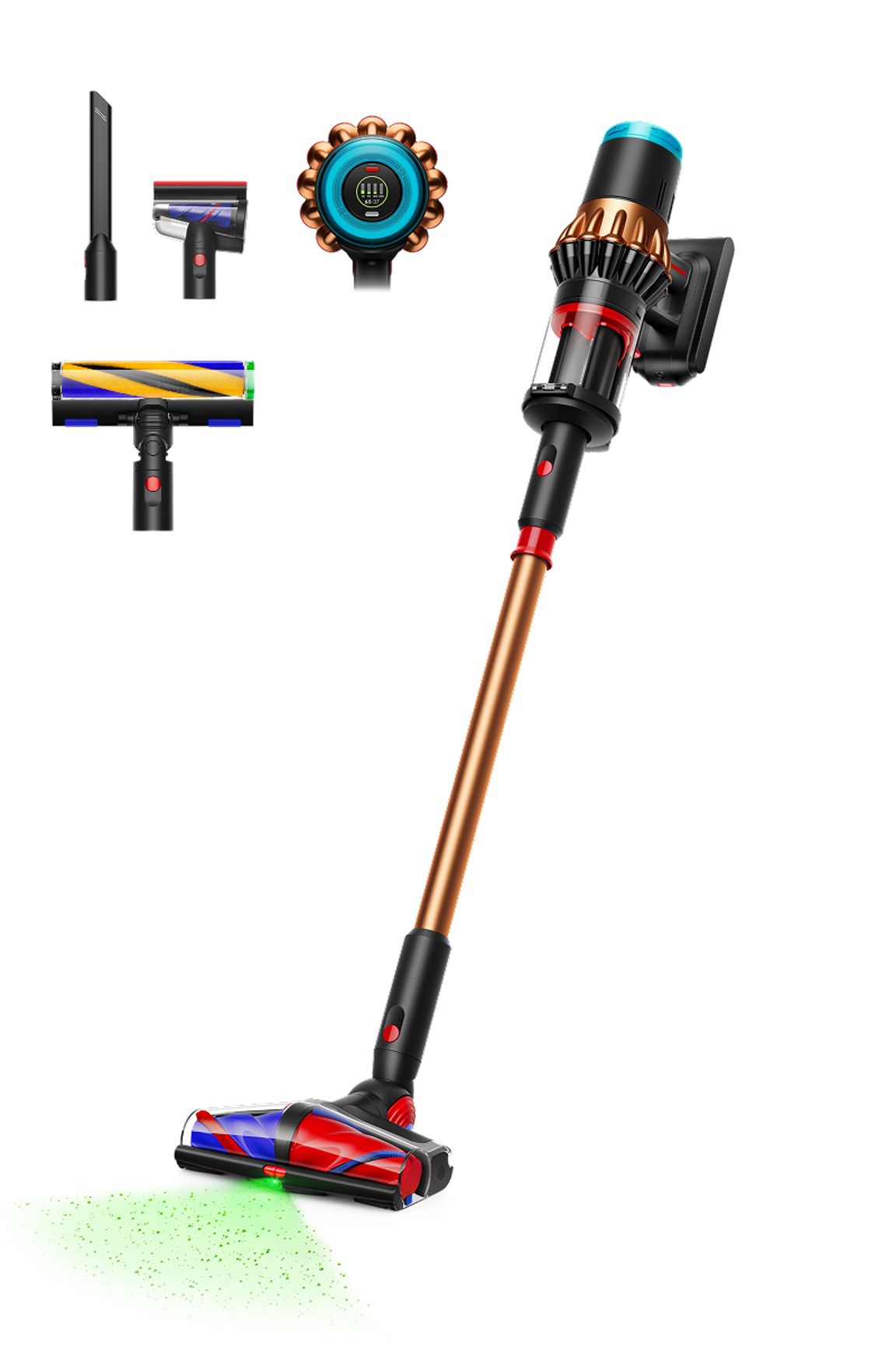
$979.99
Why not #1: Most suction in this comparison, but at nearly four times the price of our top pick it falls behind on value.
Pros
- ✓Strongest suction in this comparison (315 AW)
- ✓Dust-compressing 1.3 L bin, emptied far less often
- ✓Green light reveals fine dust on hard floors
- ✓Auto-adjusts suction and brush speed to the floor
Cons
- ✕Most expensive model in the comparison
- ✕Heavy at around 7.5 lbs with wand and floorhead
- ✕Some reviewers found the floorhead design awkward
- ✕About 3.5 hours to recharge
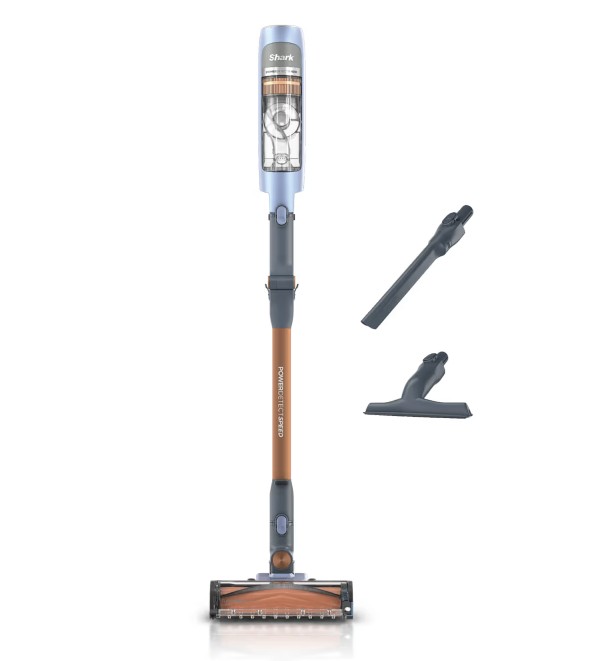
$429.99
Why not #1: Smart features and a 5-year warranty, but the advertised runtime only applies in Eco mode with a non-motorized tool.
Pros
- ✓Picks up debris on forward and reverse strokes
- ✓Auto-boosts power on dirt and carpet
- ✓MultiFLEX wand bends under furniture
- ✓Sealed HEPA anti-allergen system
- ✓5-year limited warranty
Cons
- ✕60-minute runtime only in Eco mode with a non-motorized tool
- ✕Small 0.5 qt dust cup
- ✕Long charge time (around 6 hours)
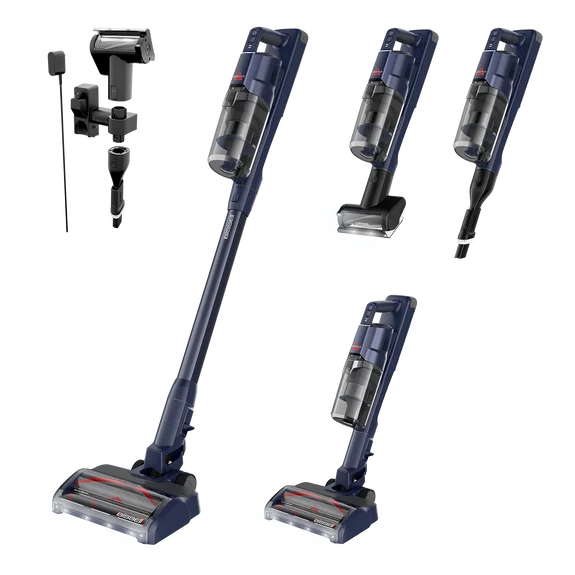
$359.99
Why not #1: Effective dual-brush cleaning, but the heaviest stick in this group and only about 13 minutes in Turbo.
Pros
- ✓Two brush rolls handle large and fine debris
- ✓Automatically boosts suction when it senses dirt
- ✓Headlights help spot embedded pet hair
- ✓Self-standing design
Cons
- ✕Heaviest stick in this group at 8 lbs
- ✕50-minute runtime only as a handheld in Eco mode; Turbo lasts about 13 minutes
- ✕Brush roll can’t be switched off
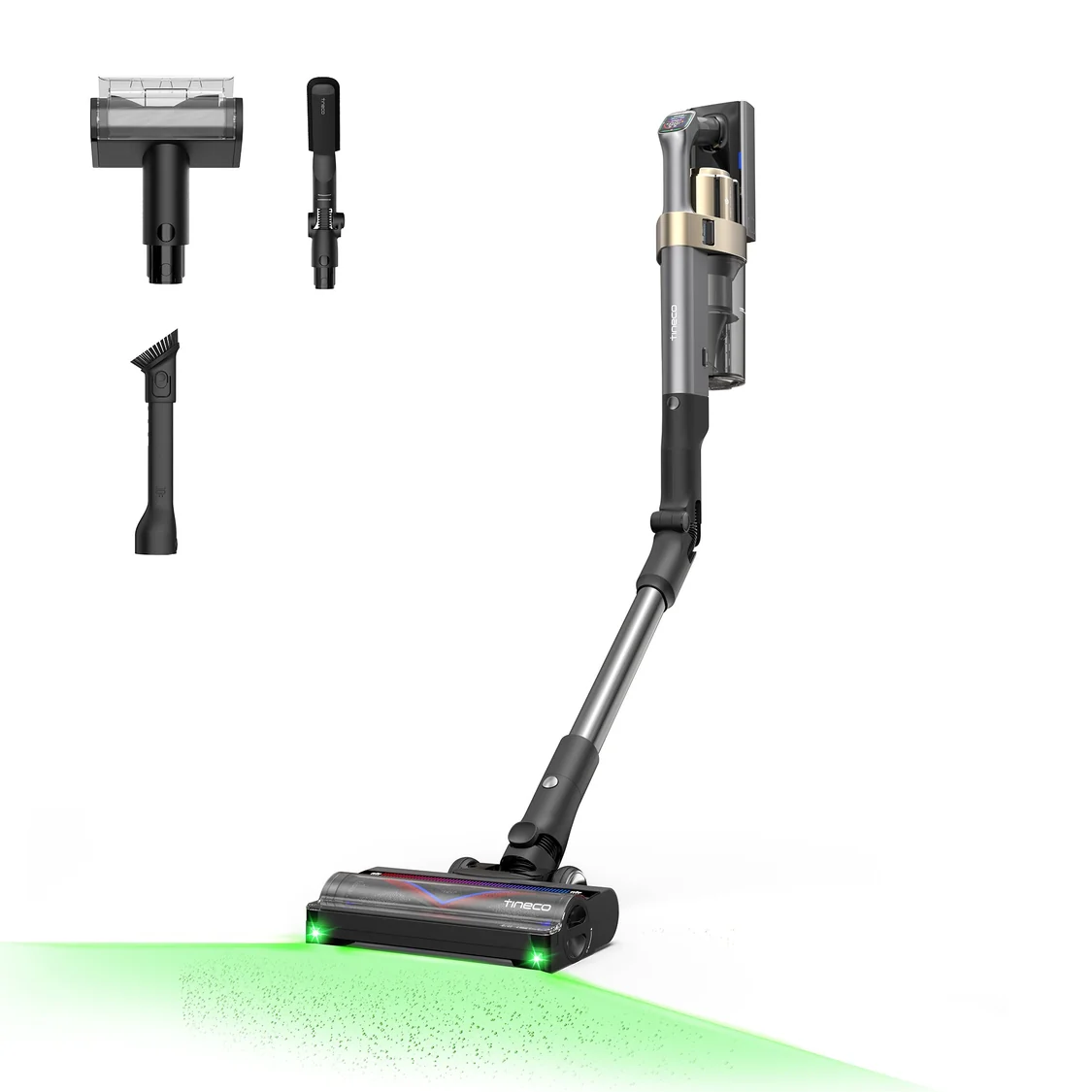
$749.00
Why not #1: Very strong suction and smart sensors, but a premium price and the long runtime only in Eco mode.
Pros
- ✓Very strong suction (270 AW)
- ✓Sensors detect dust, edges and floor type
- ✓Wide green LED reveals fine dust
- ✓180° foldable tube for under furniture
- ✓App with cleaning reports
Cons
- ✕105-minute runtime only in Eco mode with the crevice tool
- ✕Can’t stand on its own; needs its dock
- ✕Feels heavy in handheld mode, per the manufacturer’s own FAQ
- ✕Premium price
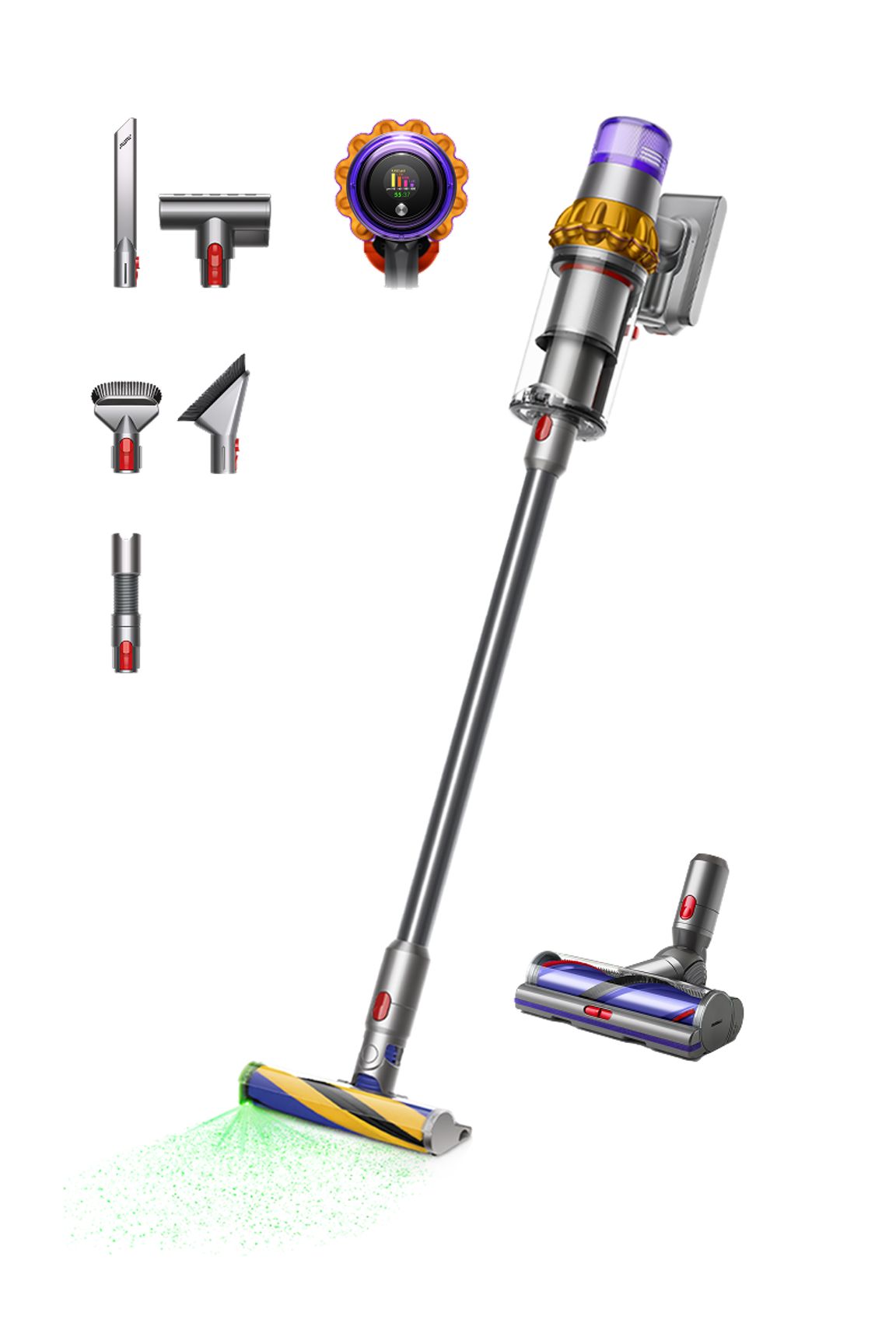
$889.99
Why not #1: Powerful and well equipped, but a very high price for an older-generation model.
Pros
- ✓Powerful 240 AW suction
- ✓Laser reveals invisible dust on hard floors
- ✓Sensor counts particles on the LCD screen
- ✓Point-and-shoot bin emptying
- ✓Car cleaning tools included
Cons
- ✕60-minute runtime only in Eco mode; Boost runs far shorter
- ✕Smaller 0.76 L bin than the V16
- ✕Very high price for an older-generation model
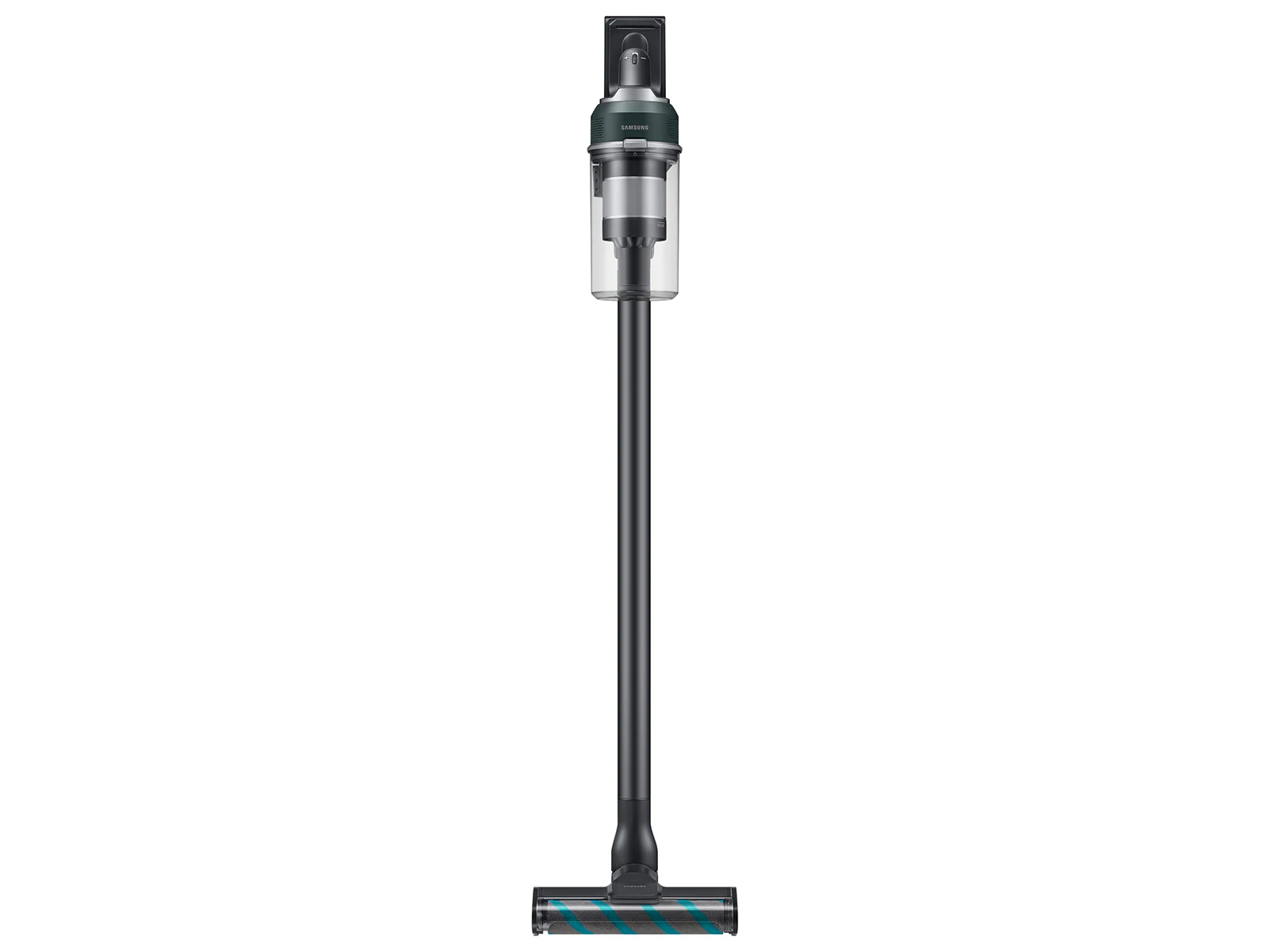
$749.99
Why not #1: Strong motor and light for its power class, but expensive for the feature set.
Pros
- ✓Strong HexaJet motor (up to 250 AW)
- ✓Light for its power class
- ✓Pet Tool+ and LED slim brush included
- ✓2-in-1 station: wall-mounted or freestanding
Cons
- ✕60-minute runtime only in Min mode
- ✕Battery drains noticeably faster in Jet mode
- ✕High price for the feature set
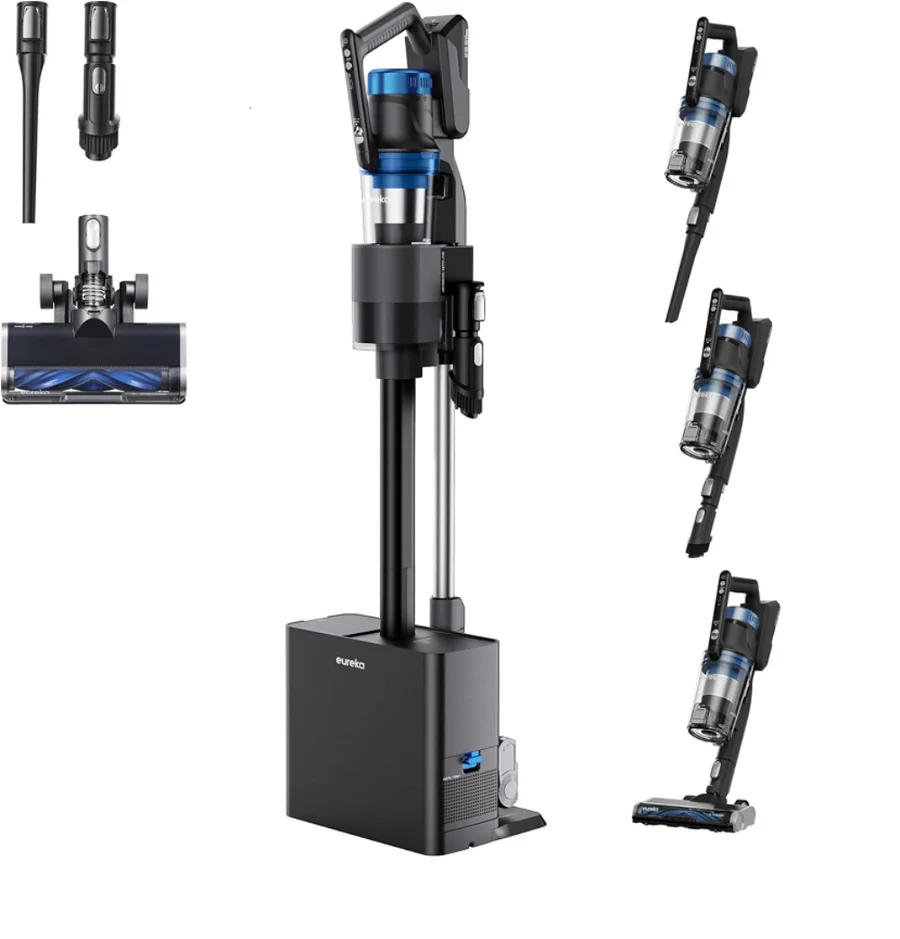
$279.99
Why not #1: A self-emptying dock at a low price, but only about 15 minutes on the highest setting plus ongoing bag costs.
Pros
- ✓Self-emptying dock at a low price
- ✓Swappable battery
- ✓LED headlight and anti-tangle brush
- ✓5-stage filtration
Cons
- ✕Only about 15 minutes on the highest setting
- ✕Dock uses replacement bags (ongoing cost)
- ✕Small 0.6 L dust cup
- ✕Slow 4.5-hour charge
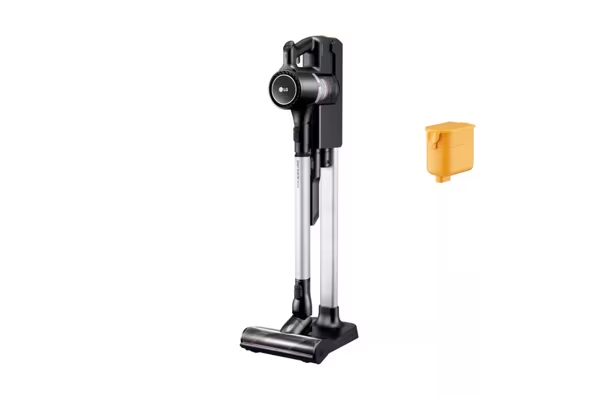
$399.99
Why not #1: Practical charging stand and a long motor warranty, but lower suction than most rivals here.
Pros
- ✓Portable charging stand, no wall drilling
- ✓Telescoping wand adjusts to your height
- ✓Washable filters and cyclone
- ✓10-year warranty on the motor
Cons
- ✕Lower suction (160 AW) than most rivals here
- ✕50 minutes only in normal mode without the power nozzle
- ✕Only one battery included in this version
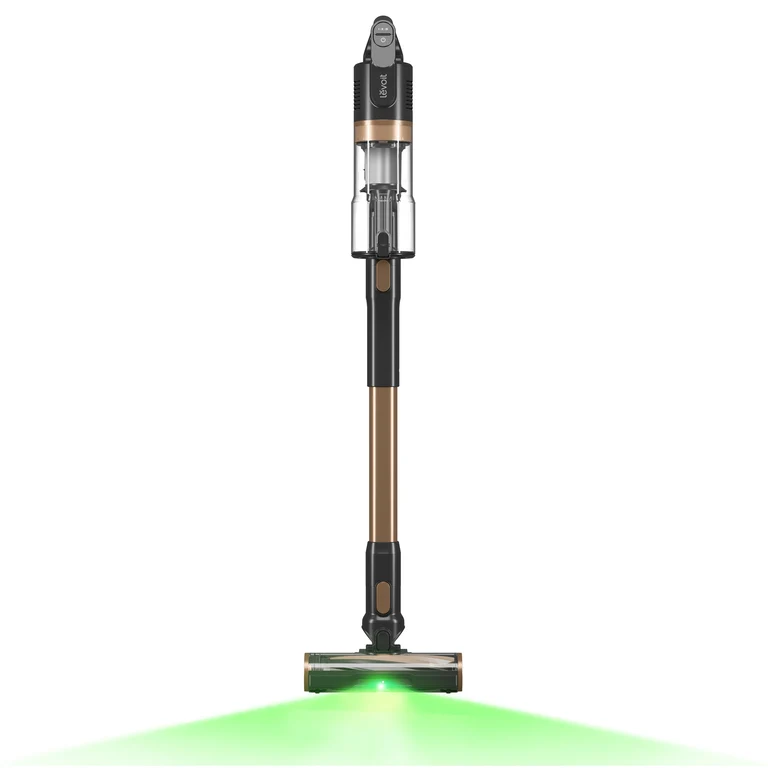
$299.99
Why not #1: Very light, but the lowest suction in this comparison and few attachments in the box.
Pros
- ✓Very light handheld unit (3.5 lbs)
- ✓Wide green LED dust detection
- ✓5-stage HEPA filtration
- ✓Anti-tangle roller brush
Cons
- ✕Lowest suction in this comparison (110 AW)
- ✕Only about 10 minutes in Turbo mode
- ✕Few attachments in the box
Review
If you’re looking for an affordable cordless vacuum that doesn’t feel like a compromise, the keero P20 Cordless Vacuum is the one we’d point you to. It pairs 230 AW of suction with Auto Mode and an LED smart brush that lights up hidden dust, plus a full set of cleaning tools in the box.
With up to 75 minutes of runtime and a swappable battery, it handles whole-home cleaning without constant recharging. Premium models from Dyson or Tineco still win on raw suction, but for everyday floors, stairs and pet hair the P20 delivers most of that performance for a fraction of the price.